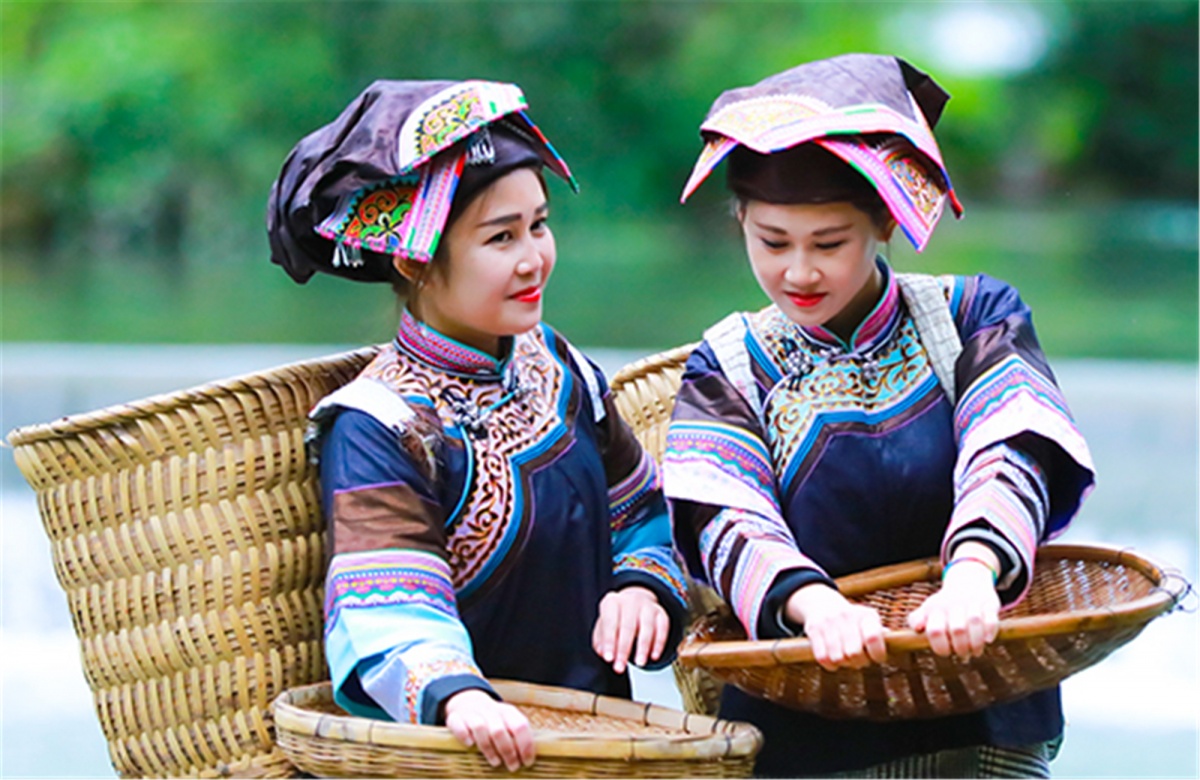
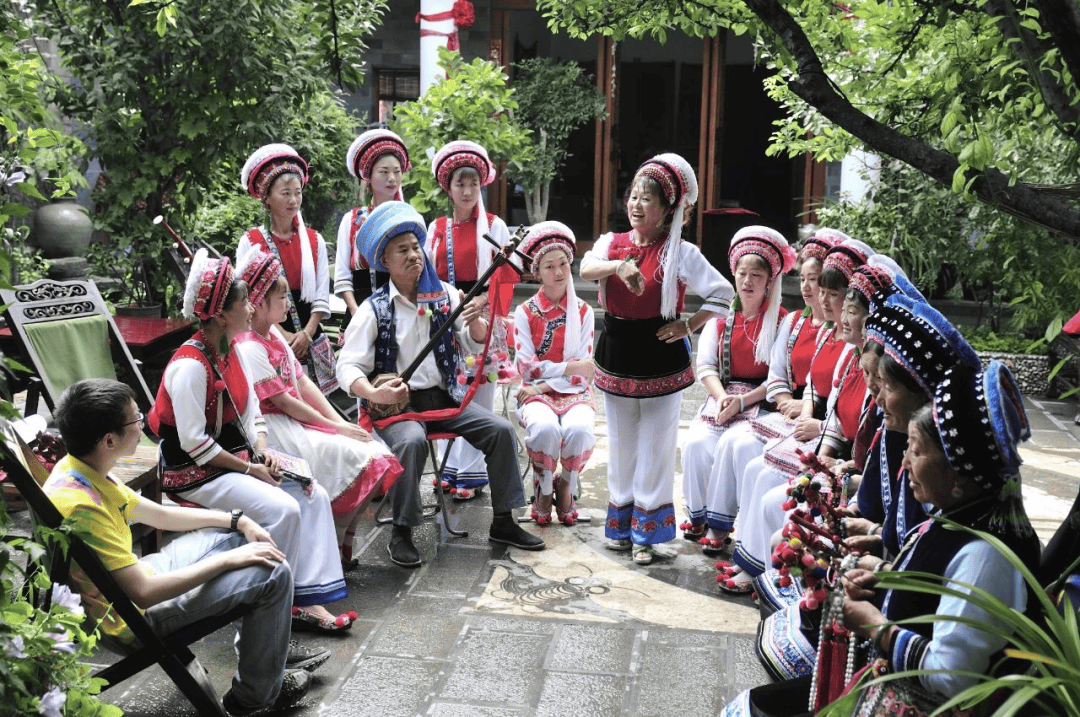
Blang minority culture & features

Nestled in the lush, mist-shrouded mountains of Yunnan Province, the Blang ethnic group stands as a living bridge to China’s ancient tea culture.


view more:

14-day Kunming Pu’er Jinghong Dali Yunnan Tea Business Trip

Contact Us>>
The Blang Ethnic Group: Guardians of Pu’er Tea, Stewards of Millennia-old Tea Heritage

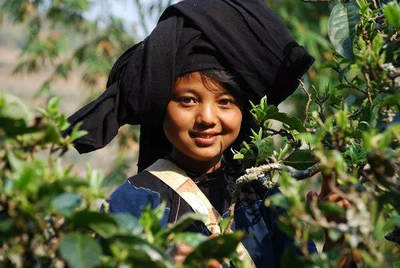
Nestled in the lush, mist-shrouded mountains of Yunnan Province, the Blang ethnic group stands as a living bridge to China’s ancient tea culture. For over 1,800 years, they have tended to primeval tea forests, mastered the art of Pu’er tea craftsmanship, and preserved sacred rituals that honor the “tea ancestors”—earning them the title of the original inheritors of Pu’er tea culture. This journey takes you deep into Xishuangbanna and Pu’er, where the Blang’s unbreakable bond with tea unfolds amid world heritage sites, ancient villages, and the rich aroma of fermented tea leaves.

The Blang Ethnic Group: Guardians of Pu’er Tea, Stewards of Millennia-old Tea Heritage
A Legacy Rooted in Ancient Tea Forests

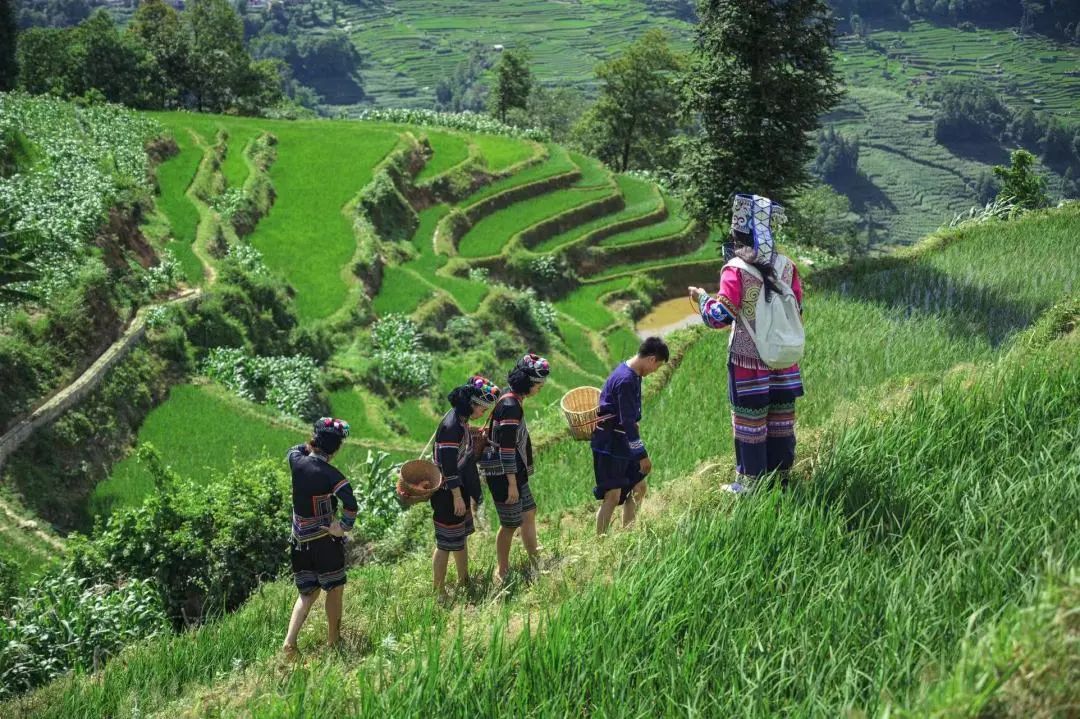
The Blang people’s tea culture is not just a tradition—it’s a way of life forged by centuries of coexistence with nature. Their ancestral lands are home to some of the oldest tea trees on Earth, including the Jingmai Mountain Ancient Tea Forest—a UNESCO World Cultural Heritage Site spanning 16,300 acres of contiguous ancient tea plantations. Here, tea trees over 1,000 years old tower above the forest floor, their gnarled trunks bearing witness to generations of Blang tea farmers who have tended them using sustainable, organic methods. Unlike modern plantations, these forests retain their wild character: tea trees grow alongside oak, maple, and medicinal plants, creating a biodiversity hotspot that infuses Pu’er tea with its unique, complex flavor.​ For the Blang, tea is sacred. They practice tea ancestor worship (Chazu Zongjiao), a ritual passed down for millennia. During festivals like the “Tea Ancestor Festival” (lunar March), villagers gather in ancient tea groves to offer rice, wine, and freshly picked tea leaves to their ancestors, praying for a bountiful harvest. Elders share stories of how the tea ancestor taught the Blang to cultivate tea, emphasizing that “tea is our lifeblood—we protect the forests, and the forests nourish us.” This deep reverence for nature has ensured the survival of these ancient tea ecosystems, making the Blang’s lands a living museum of tea history.

A Legacy Rooted in Ancient Tea Forests
Craftsmanship: From Leaf to Legendary Pu’er

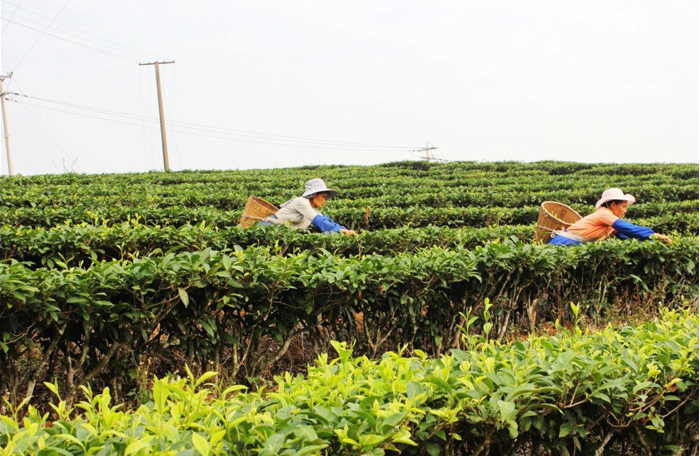
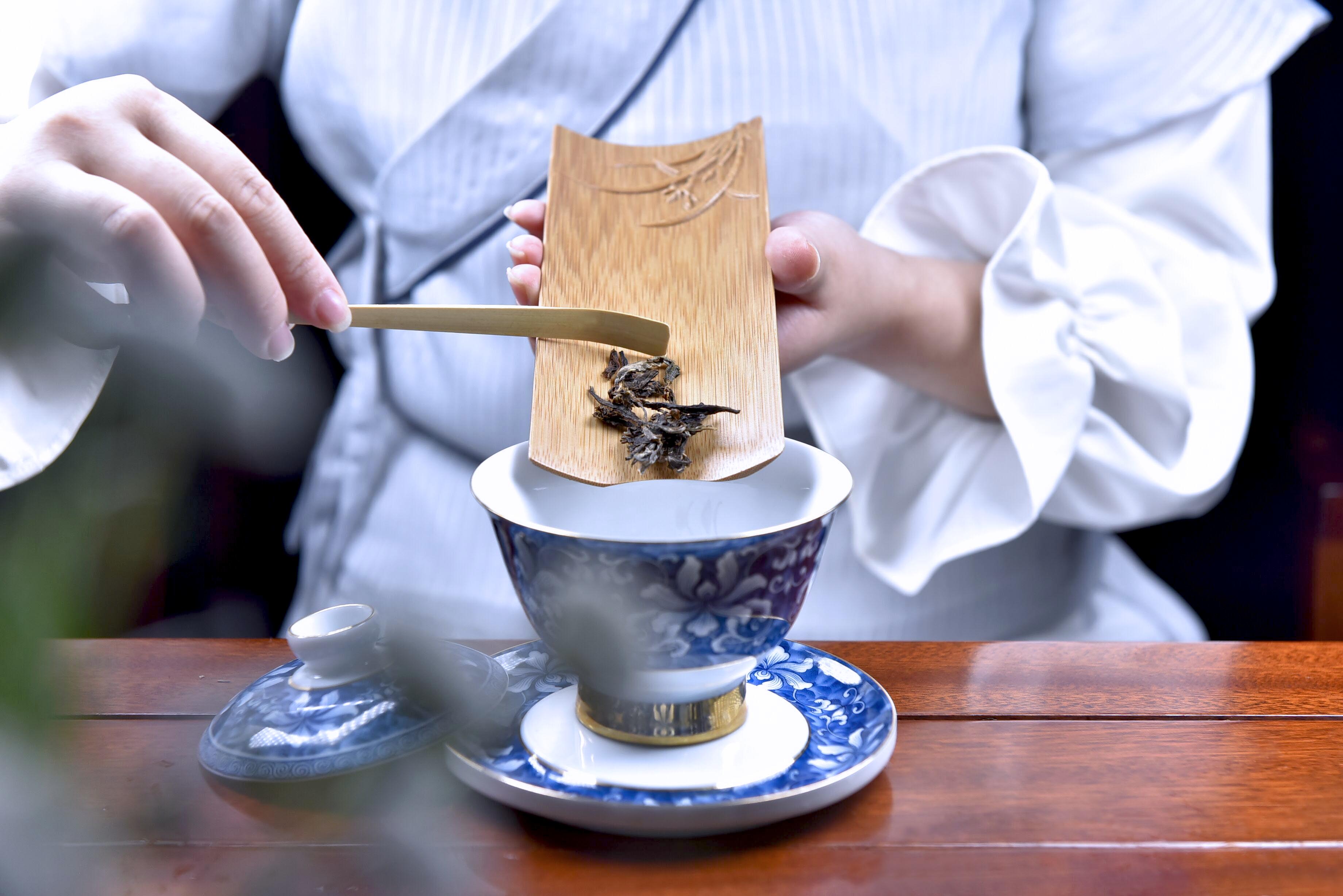
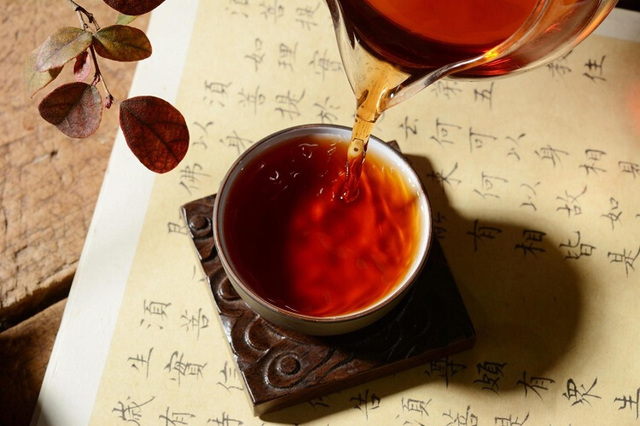
The Blang are masters of transforming tea leaves into the world-famous Pu’er tea, a process that blends precision, patience, and tradition. Unlike mass-produced teas, Blang Pu’er is crafted using age-old techniques passed down from parent to child:​ Picking: Only the tender “one bud and two leaves” are harvested at dawn, when the dew is still fresh—ensuring maximum flavor and nutrients.​ Withering: Leaves are spread out on bamboo mats to dry naturally in the mountain air, a slow process that softens the leaves and enhances their aroma.​ Fixing (Shaqing): Using large iron woks heated over wood fires, villagers quickly stir-fry the leaves to stop oxidation, preserving their natural green color and fresh taste.​ Rolling: Leaves are hand-rolled into tight balls or cakes, releasing their essential oils and shaping the tea’s final form.​ Fermentation: The rolled tea is stored in bamboo baskets or clay jars, where it ferments slowly for years—some Blang families keep tea cakes for decades, allowing them to develop a rich, earthy flavor.​ In villages like Wengji Blang Ancient Village (Jingmai Mountain) and Zhanglang Old Village (Menghai, Xishuangbanna), you can join local families for hands-on tea-making workshops. Under the guidance of Blang elders, you’ll learn to pick leaves, stir-fry them in a wok, and roll them into traditional tea cakes. Afterward, savor a cup of freshly brewed Pu’er—its smooth, mellow taste with hints of honey and forest floor a testament to the Blang’s craftsmanship. Don’t miss the chance to try Blang roasted tea (Kaocha), a beloved daily ritual: tea leaves are roasted in a clay pot until fragrant, then brewed with boiling water, creating a robust, invigorating drink that warms the soul.

Craftsmanship: From Leaf to Legendary Pu’er
Explore Blang Tea Lands: Villages, Forests & Heritage

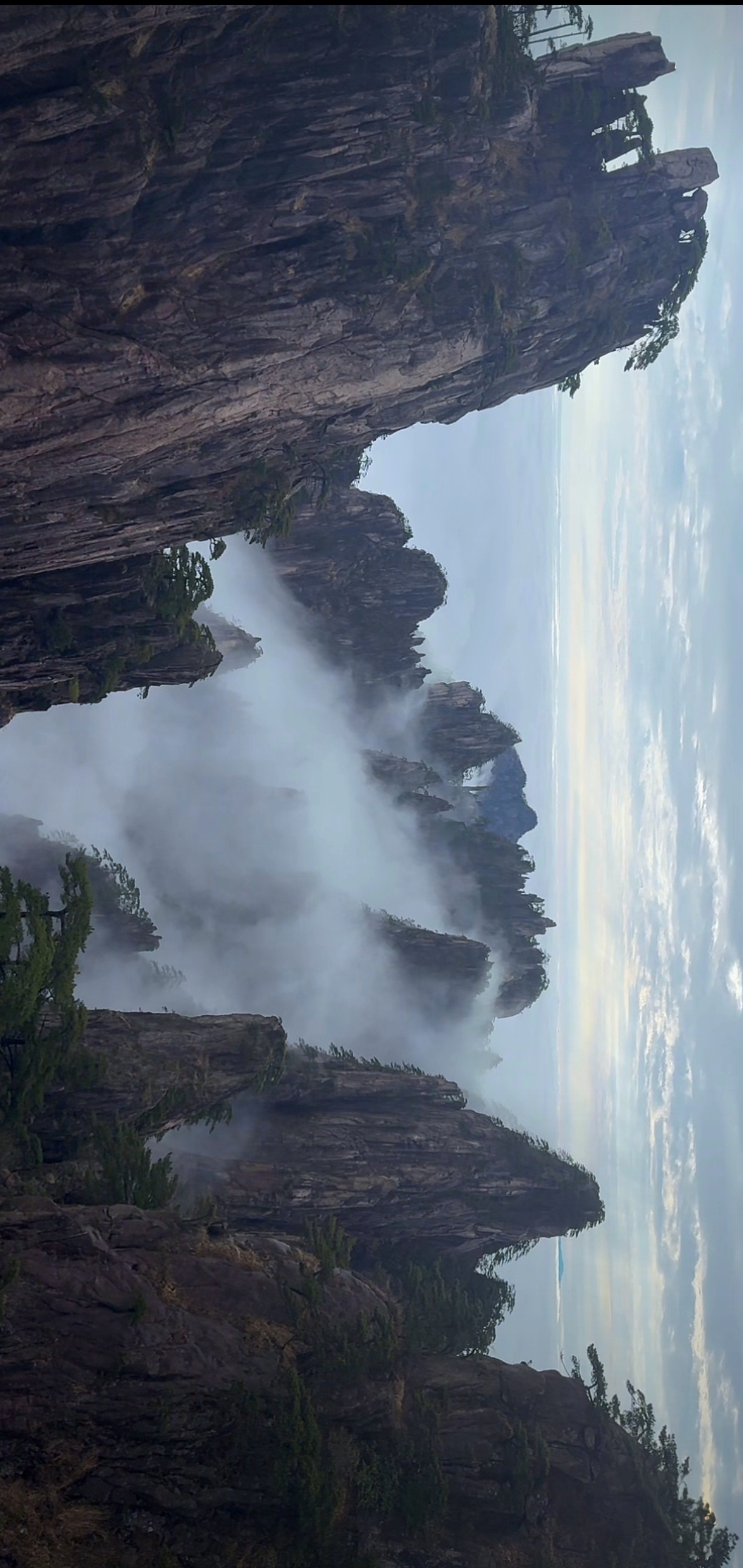
The Blang’s tea culture comes alive in the charming villages and breathtaking landscapes of Xishuangbanna and Pu’er:​ Jingmai Mountain Ancient Tea Forest (Pu’er Lancang): As a UNESCO site, this is the crown jewel of Blang tea country. Trek through winding paths lined with ancient tea trees, visit the Jingmai Mountain Tea Culture Museum to learn about the forest’s history, and stay in a traditional Blang wooden house (Diaojiaolou) with a thatched roof. At sunset, climb to the viewing platform for panoramic views of the forest stretching to the horizon, dotted with Blang villages smoking from cooking fires.​ Wengji Blang Ancient Village: Known as “the village of five ancients”—ancient villages, ancient dwellings, ancient customs, ancient trees, and ancient tea gardens—Wengji is a time capsule of Blang life. Wander cobblestone streets lined with traditional houses, visit the village’s ancient Buddhist temple, and join villagers for a meal of sticky rice, bamboo shoots, and wild vegetables paired with homemade Pu’er. The village is also famous for its “tea market,” where locals sell fresh leaves, tea cakes, and herbal teas.​ Zhanglang Old Village (Xishuangbanna Menghai): A millennium-old Blang village located at the foot of Bulang Mountain—one of Pu’er’s core producing areas. Here, you can visit the village’s “Elephant Well,” a historic well used for washing tea leaves, and explore ancient tea gardens where trees over 800 years old still produce tea. The village’s ancient Buddhist temple, with its wooden carvings and gilded pagodas, reflects the Blang’s blend of tea culture and religion.​ Bulang Mountain (Xishuangbanna): A rugged, mountainous region known for producing some of the finest Pu’er tea in China. Trek through tea plantations that cascade down mountain slopes, visit family-run tea factories to see the fermentation process, and attend a traditional tea ceremony where Blang women dress in colorful embroidered costumes and serve tea with graceful gestures.


Explore Blang Tea Lands: Villages, Forests & Heritage
Why This Journey?

A trip to the Blang’s tea lands is more than a vacation—it’s a pilgrimage to the birthplace of Pu’er tea. You’ll not only taste some of the world’s most exquisite tea but also connect with a community that has dedicated their lives to preserving a 1,800-year-old heritage. The Blang’s commitment to sustainable tea farming, their sacred rituals, and their warm hospitality offer a rare glimpse into a way of life that honors nature, tradition, and community.​ Whether you’re a tea connoisseur seeking the purest Pu’er, a culture lover eager to learn ancient rituals, or an adventurer longing to explore misty mountain forests, this journey has something for everyone. Imagine waking up to the scent of tea leaves, hiking through ancient forests, learning to craft tea from masters, and sharing stories with Blang families over a cup of fermented Pu’er—as the mountains stand silent witness to centuries of history.​ Ideal for: Tea enthusiasts, culture travelers, nature lovers, and anyone seeking an authentic, immersive experience in Yunnan.​ Duration: 5–7 days (customizable to focus on tea craftsmanship, hiking, or village life).

Why This Journey?
Inquire
TOP