

Ancient China History

China history information about figures, events, interesting facts on chronology and timeline of ancient Chinese dynasties.

Contact Us>>
Chinese Chronology

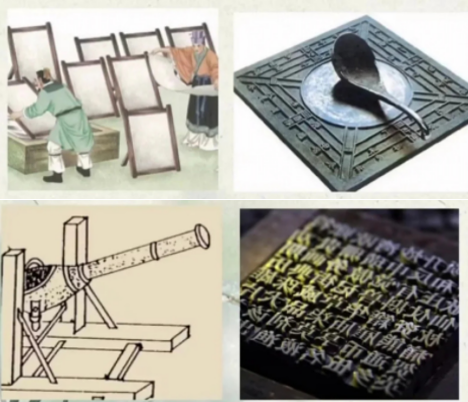
China is an old, beautiful and mysterious Eastern country that can not be ignored in the world. China, one of the four oldest civilizations in the world, has a written history of 4,000 years. What a rich culture and historical heritage it boasts is that it is ancient inventor of compass, paper, gunpowder and printing, and that it has the Great Wall, the Grand Canal and the Karez irrigation systems - three great ancient engineering projects built 2,000 years ago. China has gone through a long history of primitive society, slavery society, feudal society and semi-feudal semi-colonial society and the present socialist society. Start of Chinese History From the year dot, the earliest Chinese history disappears into the shadows of folklore and legend although a lots archeological evidences such as stone, pottery articles show the evolution of pre-history. Traditional legends tell of both celestial and mortal emperors who ruled China for tens of thousands of years before a formal history recorded by characters. The Chinese have claimed a history of 5000 years for the signs inscribed on the carapace, of over 4000 years for charactors on pottery. Until Qi (son of Yu who was the great great grandson of the lendary forefather Huang Emperor) built the first Chinese dynasty Xia, the history of China was uncovered the earliest page.

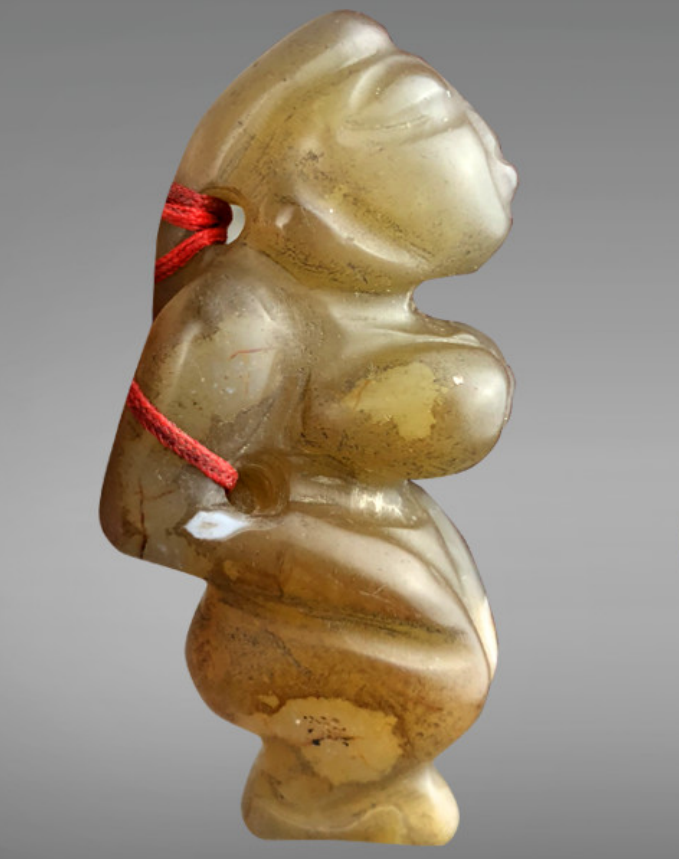
Chinese Chronology
Mythological Beginnings

The Chinese claim a history of 5000 years, but early "records" are of a mythological and legendary nature. The very existence of the Xia Dynasty, documented in early Chinese histories as the first Chinese dynasty, still awaits archaeological verification.

Mythological Beginnings
Xia and Shang Dynasties

The Xia Dynasty of China, about 2100 BC to 1600 BC, is the first dynasty to be described in ancient historical records. The establishment of Xia Dynasty marked the end of primitive society and the beginning of the class society.

Xia and Shang Dynasties
Zhou Dynasty

The Zhou Dynasty, from 1027 to approximately 221 B.C., was the longest dynasty in Chinese history, and in terms of written script, it spanned the period from ancient oracle script to modern Chinese writing. The capital of Zhou was known as Hao, located near Chang'an (today's Xi'an).

Zhou Dynasty
Qin Dynasty

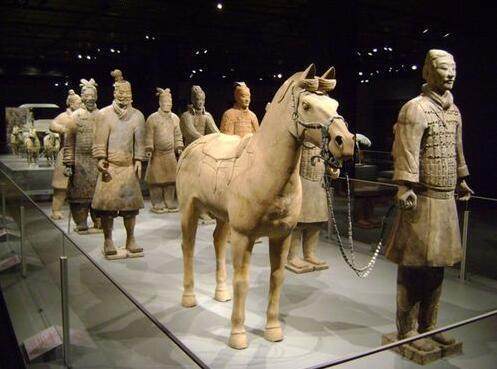
During Qin period (from 221 BC to 206 BC), China came into unification for the first time and under reign of the first emperor Qin Shihuang. Its government seated in Xianyang (close to modern Xi'an).

Qin Dynasty
Han Dynasty

The Han Dynasty ruled China from 206 BC to 220 AD. Han Dynasty was divided into Western Han and Eastern Han. The Western Han was a period of consolidation and made some military extension.

Han Dynasty
Sui Dynasty

Started from 581 and ended in 618, the Sui Dynasty only lasted for 38 years. However, it reunited the country in 589 AD after nearly four centuries of political fragmentation.

Sui Dynasty
Tang Dynasty

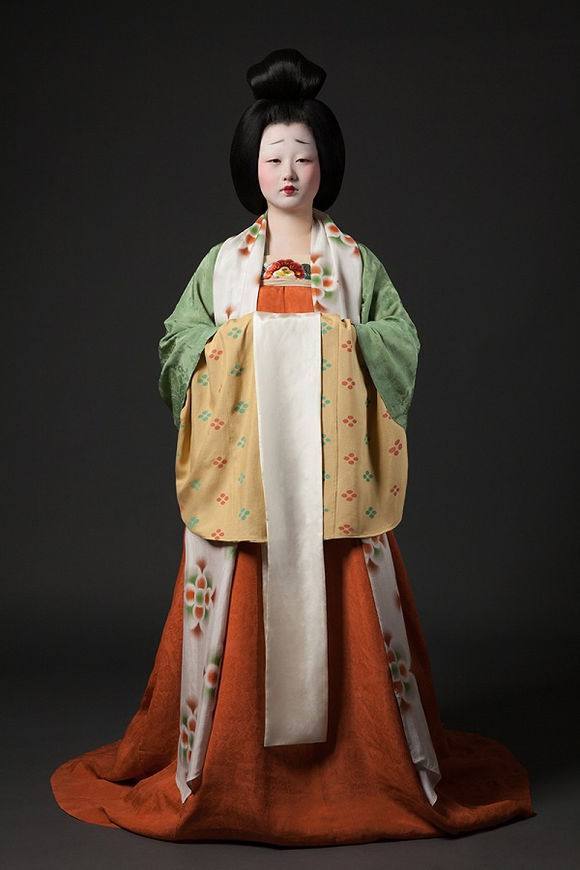
The Tang Dynasty (618-907) is the most glistening historic period in Chinese history. During this glorious period, the politics, economy, culture and military strength reached an unprecedented advanced level.

Tang Dynasty
Song Dynasty

In 960, the Song Dynasty gained power over most of China and established its capital in Kaifeng, starting a another period of economic prosperity. It was the first government in world history to issue banknotes or paper money, and implemented the first Chinese policy to establish a permanent standing navy.

Song Dynasty
Yuan Dynasty

The Yuan Dynasty (1271-1368) ended the 370-year divisive period and unified the whole country, paving the way for a lasting unification through the Ming and Qing period. Kublai Khan, a grandson of Genghis Khan and the supreme leader of all Mongol tribes, established Yuan Dynasty.

Yuan Dynasty
Ming Dynasty

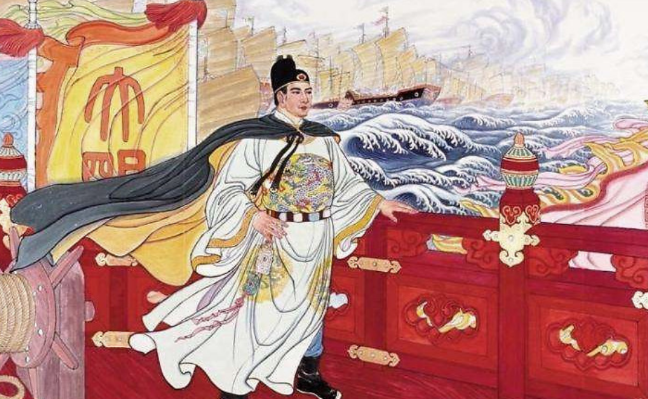
Zhu Yuanzhang, the Ming emperor, established his capital in Nanjing. But in 1420 Beijing was designated the first capital and Nanjing designated the second. Their names mean Northern Capital and Southern Capital respectively. And it was the last dynasty in China ruled by Han group.

Ming Dynasty
Qing Dynasty

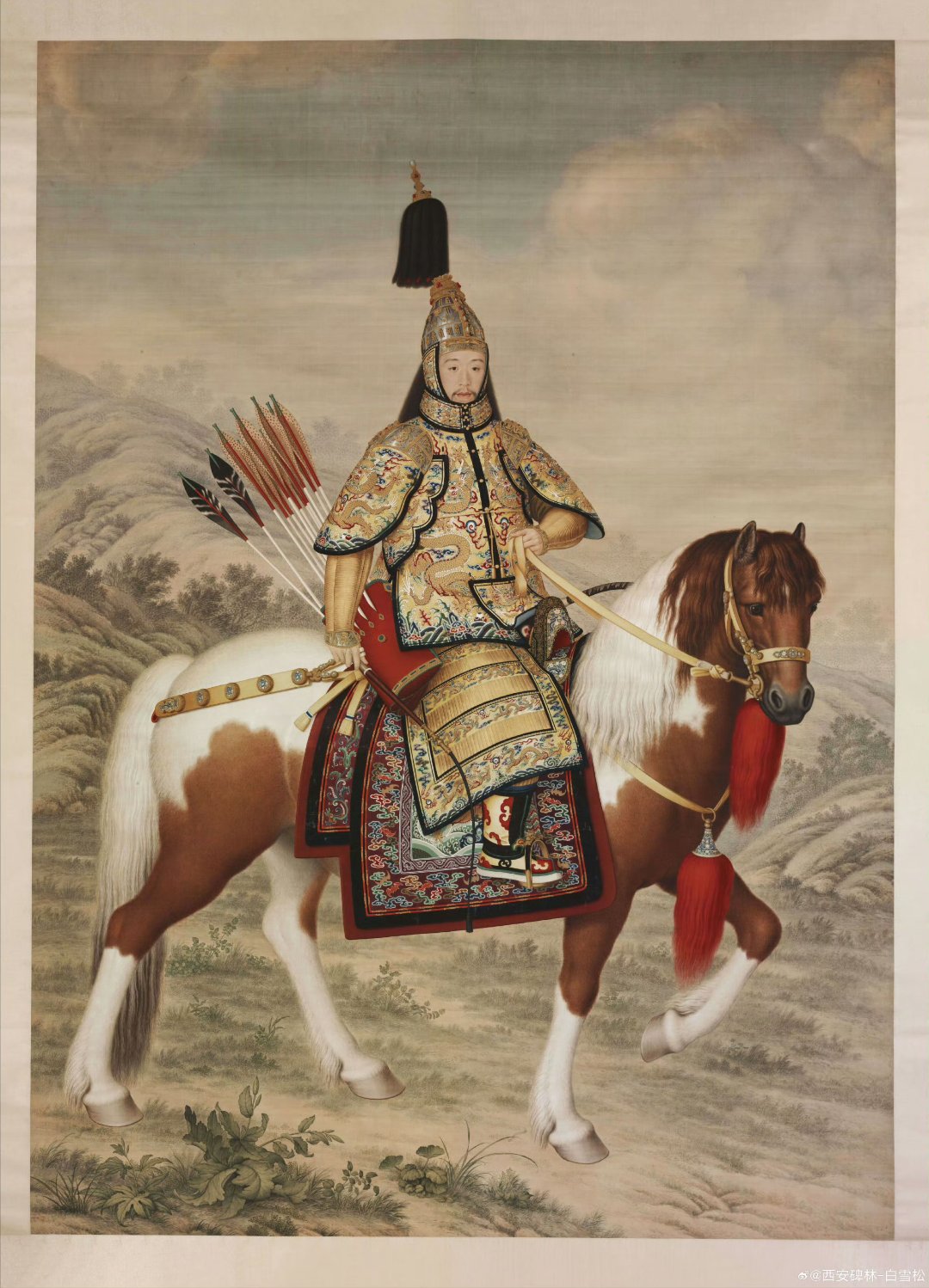
Qing Dynasty, 1644-1911, was the last of the Chinese dynasties. The dynasty was founded by the Manchu (in northeast China today). It flourished in the 18th century and declined in the 19th.

Qing Dynasty
The Four Great Inventions of Ancient China

Compass, Gunpowder, Papermaking and Printing are four great ancient inventions in China that had an huge impact on the development of Chinese civilization and a far-ranging global impact.

The Four Great Inventions of Ancient China
Inquire
TOP