



2026 is a big year for China-U.S. relations, and a historic, landmark year for the two countries in overcoming the Thucydides trap and finding the right way to get along.
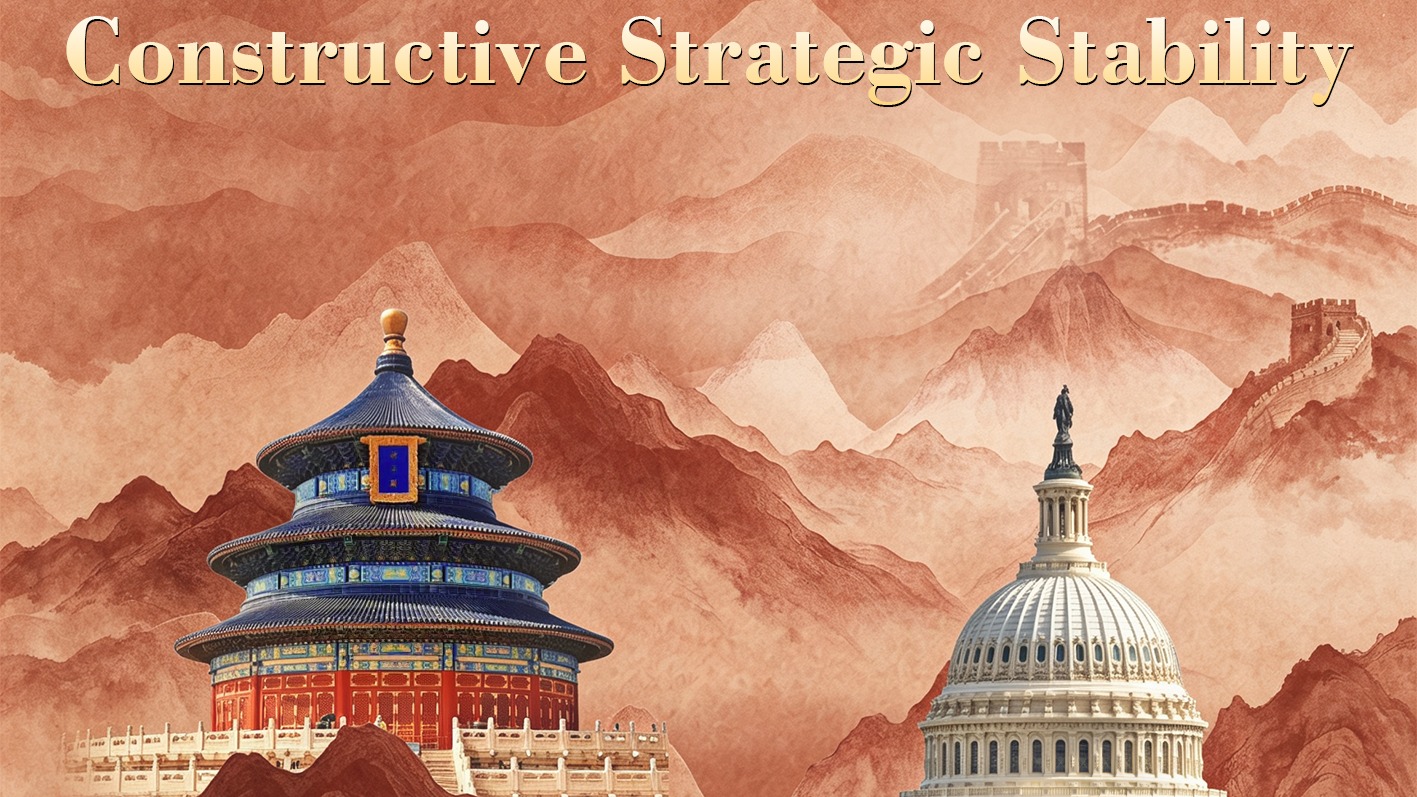
At the May summit in Beijing, the two presidents set out a new vision for the relationship—a constructive relationship of strategic stability. Not a zero-sum game, not a confrontational cycle of mutual muscle-flexing, but positive stability where cooperation is the mainstay, healthy stability where competition is kept within proper limits, constant stability where differences are manageable, and lasting stability where peace is expectable—a shared commitment to build better relations.
Actions have followed right away. Economic and trade cooperation remains the anchor and propeller of this relationship. The two sides held consultations on promoting trade and investment, and had dialogue on AI-related issues. More U.S. companies are turning to China, not only for a huge and vanguard market, but more importantly for a full and robust ecosystem. Joint actions to fight transnational crime and crack smuggling and drug trafficking cases have delivered tangible results for the peoples. The U.S. has returned another batch of lost Chinese cultural relics. Positive signs have been growing for months between China and the U.S.
If this relationship were a giant ship, the two peoples would be not just passengers on a shared voyage, but also crew members powering the ship together. The initiative to invite 50,000 young Americans to China on exchange and study programs in five years has reached its target two and a half years in advance. The century-old Kuliang story lives on and keeps inspiring new friendships. Ronald Sakolsky and Yin Yuzhen recently reunited, 27 years after his donation to her cause to fight desertification, and their friendship has literally grown into a forest. Many young Chinese and Americans are discovering the real each other through livestreams and online chats, realizing that they are all one family in the same global village.
Facts have repeatedly shown that China and the U.S. have long been a community with shared interests—one where I am in you, and you are in me. China is not creating another system without the U.S. And the U.S. cannot decouple from China or cut it off. China and the U.S. can both achieve greatness and work together despite their differences. The two are opportunities and blessings to each other, not threats or challenges. The vast Pacific Ocean is not a barrier or obstacle, but a huge space for cooperation. For the benefit of the over 1.7 billion people of the two countries, and for the well-being of the over 8 billion people around the world, China and the U.S. should be partners, not rivals. China remains sincere in seeking mutual respect, peaceful coexistence and win-win cooperation with the U.S. China will also remain strong in safeguarding its sovereignty, security and development interests.
From Beijing to Washington D.C., the China-U.S. relationship must stay on course toward constructive strategic stability, braving the waves and sailing steadily ahead.


