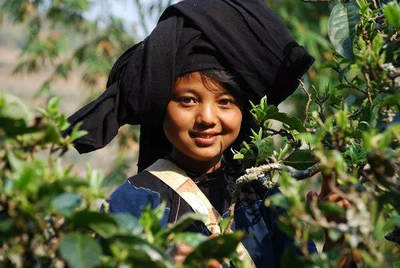
Uyghur minority culture & features

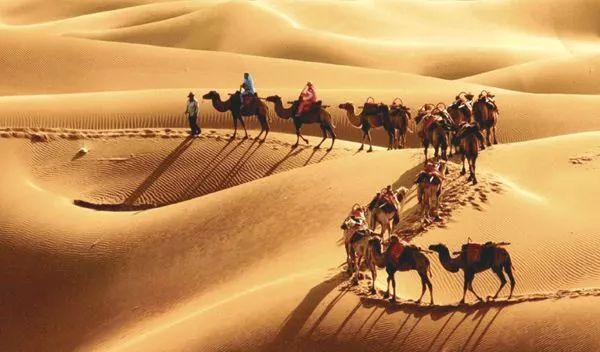
As one of China’s most distinctive ethnic minorities, the Uyghur people have forged a rich cultural legacy amid the vast landscapes of Xinjiang Uygur Autonomous Region—from the snow-capped Tianshan Mountains to the fertile oases of the Tarim Basin. With a population of over 11 million, they are celebrated worldwide for their passion for music and dance, time-honored culinary traditions, and deep-rooted connection to the Silk Road. For travelers seeking an immersive cultural experience, Xinjiang’s Uyghur heartlands offer a vibrant tapestry of sights, sounds, and flavors that tell the story of a people shaped by centuries of cross-cultural exchange.


view more:

8-day Xinjiang Silk Road Highlights

11-day Silk Road Langzhou to Urumqi Trip

China Silk Road Travel Tips

Contact Us>>

As one of China’s most distinctive ethnic minorities, the Uyghur people have forged a rich cultural legacy amid the vast landscapes of Xinjiang Uygur Autonomous Region—from the snow-capped Tianshan Mountains to the fertile oases of the Tarim Basin. With a population of over 11 million, they are celebrated worldwide for their passion for music and dance, time-honored culinary traditions, and deep-rooted connection to the Silk Road. For travelers seeking an immersive cultural experience, Xinjiang’s Uyghur heartlands offer a vibrant tapestry of sights, sounds, and flavors that tell the story of a people shaped by centuries of cross-cultural exchange.​

I. Cultural Arts: Music, Dance, and the Magic of Muqam​

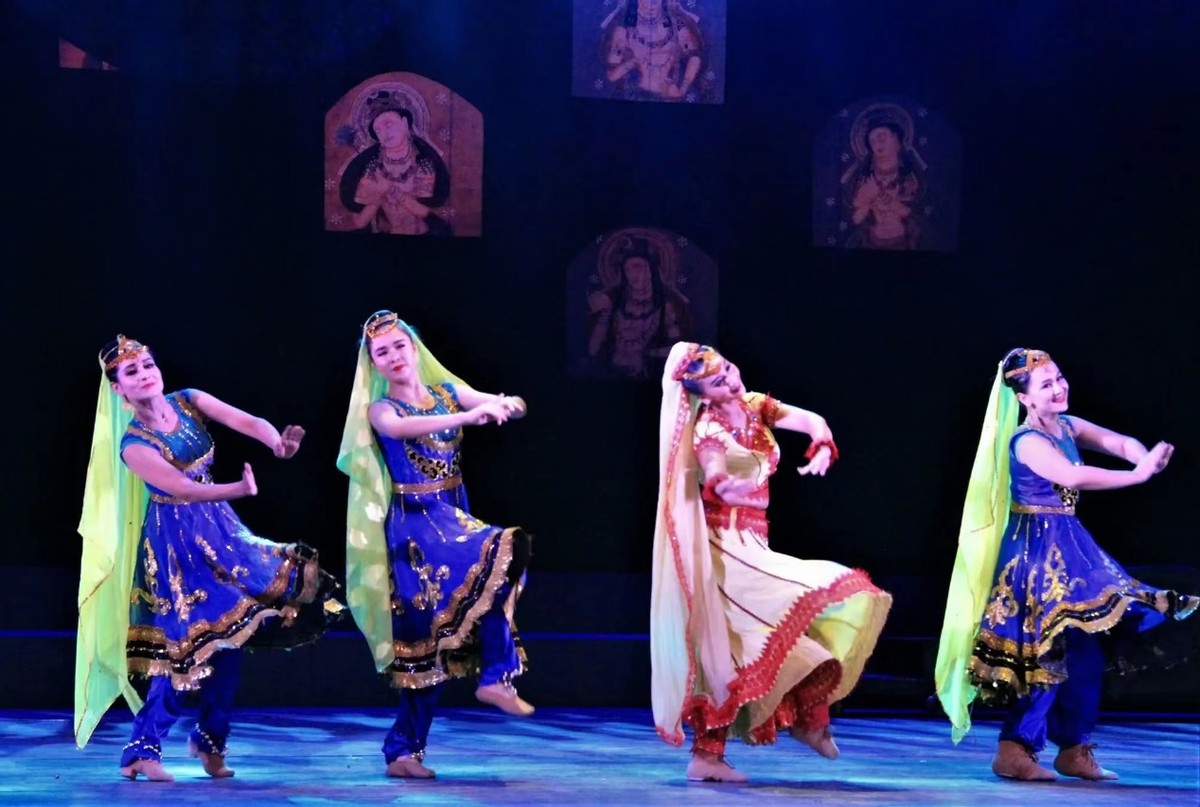
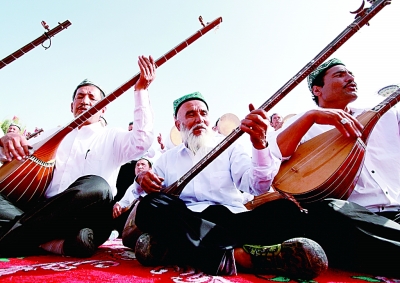
The Uyghur people are universally recognized as a "nation of singers and dancers," with music and dance integrated into every aspect of life—from weddings and festivals to casual gatherings in village squares. Their most iconic cultural treasure is the Twelve Muqam (Dolan Muqam), a UNESCO-listed classical music suite that stands as the "mother of Uyghur music." Developed over centuries and codified in the 16th century, this grand artistic masterpiece weaves together song, dance, poetry, and instrumental music, featuring over 340 pieces that span hours of performance. Each Muqam (meaning "melody" or "mode") tells a unique story, blending influences from Central Asian, Persian, and Chinese cultures, and is brought to life by traditional instruments like the dutar (a two-stringed lute), satar (a long-necked lute), and tambur (a plucked string instrument).​ Complementing the elegance of Muqam is the lively Meshrep, a popular folk gathering that serves as the heartbeat of Uyghur social life. Translating to "gathering" or "assembly," Meshrep brings communities together for singing, dancing, storytelling, and games—all rooted in Uyghur values of hospitality and unity. The centerpiece of Meshrep is the Rapak dance, a dynamic, rhythmic performance where dancers move with quick footwork, expressive hand gestures, and spins, often accompanied by upbeat music and cheers from the crowd. Other beloved dances include the graceful Sama (a circle dance performed during religious festivals) and the playful Nazirkom (a couples’ dance), each reflecting the Uyghur people’s joyous spirit and love for life.​

I. Cultural Arts: Music, Dance, and the Magic of Muqam​
II. Featured Cuisine: The Flavors of Polo and Silk Road Delights​

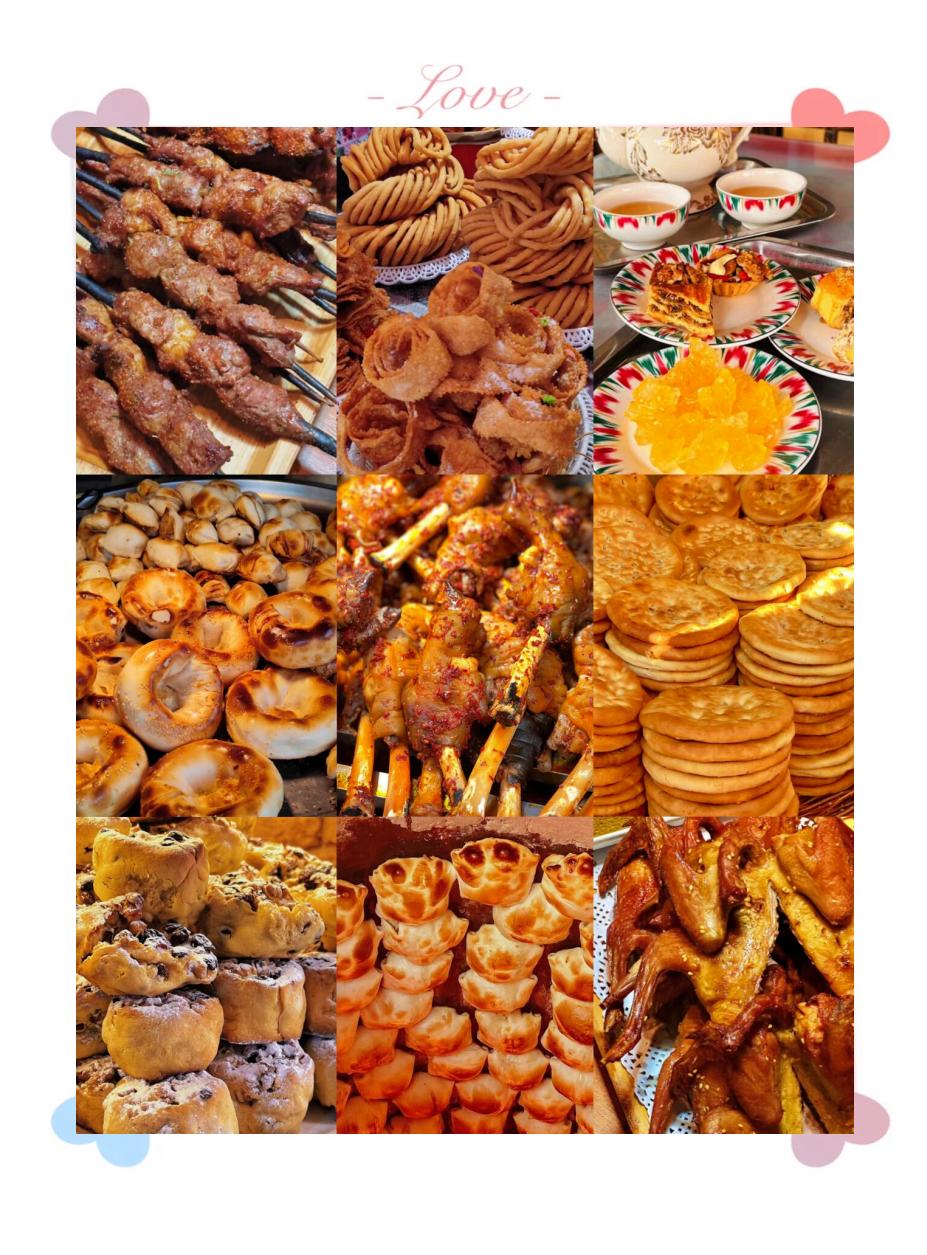
Uyghur cuisine is a delicious reflection of their nomadic and agricultural heritage, shaped by the abundance of Xinjiang’s oases and the culinary traditions of the Silk Road. The most famous dish is Polo (Uyghur Pilaf), a fragrant rice dish often called "hand-grabbed rice" for its traditional serving style. Prepared by simmering long-grain rice with tender lamb (or chicken), carrots, onions, and a blend of spices like cumin, coriander, and Sichuan pepper in sheep’s oil, Polo is a symbol of celebration and hospitality—served at weddings, festivals, and every important family gathering. The rice is fluffy and aromatic, the meat succulent, and the carrots add a natural sweetness that balances the savory spices, making it a beloved staple across Xinjiang.​ Beyond Polo, Uyghur cuisine boasts a wealth of mouthwatering delights. Samsa (Uyghur samosas) are flaky pastries filled with minced lamb, onions, and cumin, baked to golden perfection in clay ovens. Lagman (hand-pulled noodles) features thick, chewy noodles tossed with a hearty sauce of tomatoes, peppers, carrots, and meat, while Kebab ( Chuanr) – grilled skewers of lamb, chicken, or vegetables marinated in cumin and chili – are a street food staple, filling the air with their irresistible aroma. To round out the meal, Uyghurs enjoy Naan, a large, flatbread baked in a tandoor (clay oven), which can be plain, sprinkled with sesame seeds, or stuffed with onions and herbs. Wash it all down with Kawap (fermented horse milk) or Sherbet (a sweet fruit drink), and you have a true taste of Xinjiang’s culinary heritage.​

II. Featured Cuisine: The Flavors of Polo and Silk Road Delights​
III. Core Ethnic Tourism Destinations​

Xinjiang’s Uyghur culture is best experienced in two iconic regions—Kashgar in southern Xinjiang and Yining in northern Xinjiang—each offering a distinct flavor of Uyghur life, from ancient Silk Road charm to pastoral beauty.​

III. Core Ethnic Tourism Destinations​
1. Kashgar: The Heart of Southern Xinjiang’s Uyghur Culture​

Located in the westernmost part of China, Kashgar is a 2,000-year-old city that served as a key hub on the Silk Road, and today remains the cultural and spiritual center of Uyghur life. Its most famous attraction is the Kashgar Old Town (a 5A scenic area), one of the world’s best-preserved Islamic traditional earthen architecture complexes. With its labyrinthine alleys, mud-brick houses adorned with carved wooden windows, and bustling bazaars, the Old Town feels like a living museum—where elders sip tea in courtyard gardens, artisans craft copperware and silk textiles, and the call to prayer echoes from mosques.​ At the heart of the Old Town stands the Id Kah Mosque, Xinjiang’s largest and most sacred mosque, with a history dating back to the 15th century. Its grand courtyard, intricate tilework, and towering minarets reflect the beauty of Islamic architecture, and it remains a vital place of worship for Uyghur Muslims. Nearby, the International Bazaar (also known as the "Grand Bazaar") is a feast for the senses—over 4,000 stalls sell everything from spices, dried fruits, and handwoven carpets to traditional musical instruments and jewelry. Don’t miss the chance to sample fresh Polo and kebabs at the bazaar’s food stalls, or watch Uyghur artisans demonstrate the art of making musical instruments.​ For a deeper dive into Uyghur heritage, visit the Gaotai Residential Area, a 600-year-old settlement perched on a cliff overlooking the Old Town. Here, traditional Uyghur houses are built tier by tier, with flat roofs and courtyards, and locals still practice age-old crafts like weaving and pottery. It’s a quiet, atmospheric neighborhood that offers a glimpse into the daily life of Uyghur families, far from the crowds of the bazaar.​

1. Kashgar: The Heart of Southern Xinjiang’s Uyghur Culture​
2. Yining: Northern Xinjiang’s Folk Tourism Gem​

In the fertile Ili River Valley of northern Xinjiang, Yining is a vibrant city that blends Uyghur culture with influences from Russian, Kazakh, and Han communities. Its most popular ethnic tourism spot is the Kazanci Folk Village, known as "China’s Morocco" for its striking blue-and-white houses, cobblestone streets, and colorful murals. The village is a showcase of Uyghur traditional architecture, with courtyards filled with fruit trees and flowers, and locals dressed in traditional clothing—women in long, embroidered dresses (chapan) and men in caps (doppa).​

2. Yining: Northern Xinjiang’s Folk Tourism Gem​
Inquire
TOP