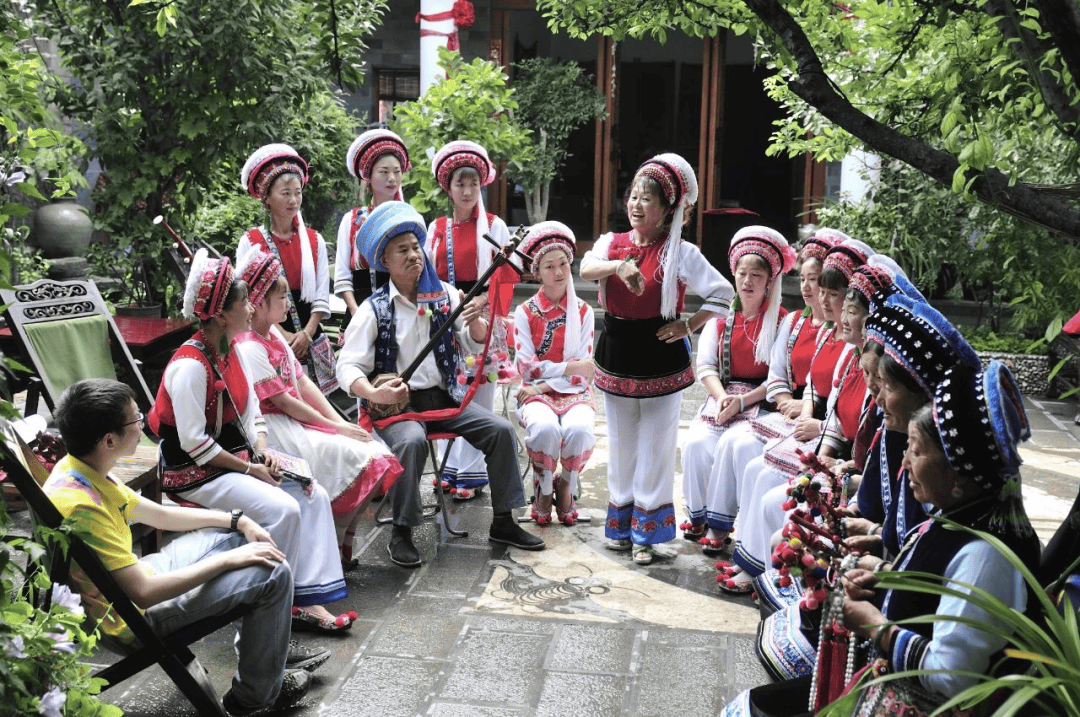
Hani minority culture & features

Nestled in the mountainous regions of southern Yunnan, China, the Hani ethnic group has crafted one of the world’s most breathtaking agricultural masterpieces over millennia—the Hani Terraces. A UNESCO World Heritage Site and a living testament to harmonious human-nature coexistence, these terraces, along with the nearby ancient Jianshui City, form an unmissable cultural and scenic journey in southwest China.


view more:

7-day Kunming Jianshui Yuanyang Hekou Yunnan Vietnam Tour

7-day Yunnan Dongchuan Red Land Yuanyang Photography Tour

Things To Do In Yunnan


Contact Us>>

Nestled in the mountainous regions of southern Yunnan, China, the Hani ethnic group has crafted one of the world’s most breathtaking agricultural masterpieces over millennia—the Hani Terraces. A UNESCO World Heritage Site and a living testament to harmonious human-nature coexistence, these terraces, along with the nearby ancient Jianshui City, form an unmissable cultural and scenic journey in southwest China.

The Majestic Hani Terraces (Yuanyang Terraces)

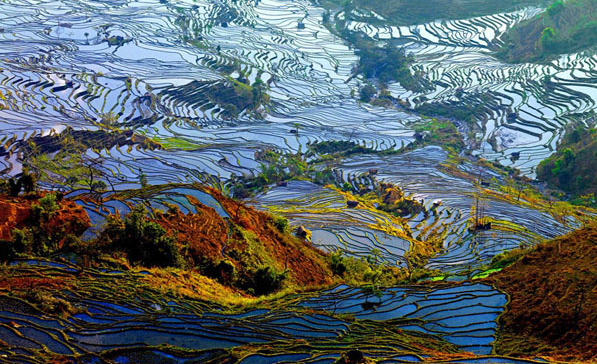
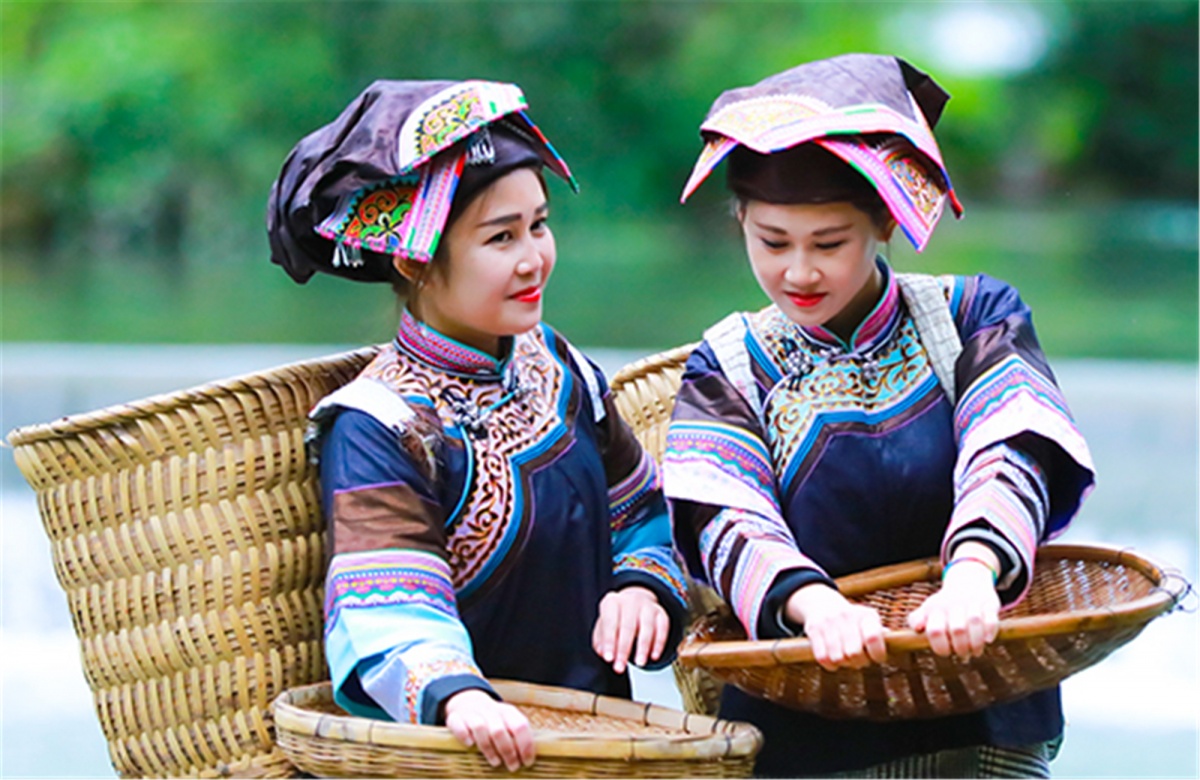
Located in the southern part of Ailao Mountains in Yuanyang County, Honghe Hani and Yi Autonomous Prefecture, the Hani Terraces stretch across the slopes like a giant staircase carved by time. For over 1,300 years, the Hani people have ingeniously transformed the rugged mountain landscape into layered fields, relying on a sophisticated traditional irrigation system known as “wooden carved water distribution.” This system, passed down through generations, ensures equitable water flow to every terrace, sustaining the agricultural cycle that has shaped the group’s way of life.​ The terraces are most spectacular from December to March each year, during the irrigation period. When filled with water, they reflect the sky, clouds, and surrounding mountains, creating a stunning mirror-like effect that shimmers with hues of blue, gold, and silver at different times of the day. Three spots stand out as must-visit viewing points: Duoyishu Village for its awe-inspiring sunrise over the terraces, Bada Village for the dramatic sunset glow that paints the fields, and Aichun Village, famous for its “blue terraces” that mirror the clear sky.​ Beyond the natural beauty, visitors can immerse themselves in Hani culture by exploring ancient villages like Qingkou and Azheke. These villages are dotted with traditional “mushroom houses”—round-shaped dwellings with conical thatched roofs that resemble giant mushrooms, blending seamlessly with the landscape. Here, you can witness Hani women weaving colorful cloth, listen to folk songs sung in the melodious Hani language, and taste authentic local delicacies like glutinous rice wine and bamboo rice, offering a glimpse into the group’s rich cultural heritage.

The Majestic Hani Terraces (Yuanyang Terraces)
Jianshui Ancient City: A Gem of Southern Yunnan Culture

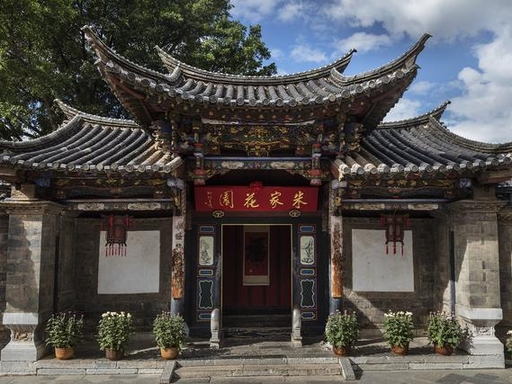
A short drive from the Hani Terraces lies Jianshui Ancient City, a national historical and cultural city with a history spanning over 1,200 years. Once known as “Lin’an Prefecture,” it served as a cultural and political hub in southern Yunnan during the Ming and Qing dynasties, preserving a wealth of well-preserved historical sites and traditional architecture.​ The city’s iconic landmark is Chaoyang Tower, first built in the Ming Dynasty—28 years earlier than Beijing’s Tiananmen Tower. Standing tall at the southern entrance of the ancient city, this imposing tower features intricate wooden carvings and offers panoramic views of the surrounding old streets and rooftops. Another highlight is the Jianshui Confucian Temple, the second-largest Confucian temple in China after the one in Qufu. With its grand courtyards, ancient cypresses, and exquisite stone carvings, it is a serene haven that reflects the profound influence of Confucian culture in the region.​ For a taste of traditional Chinese garden architecture, visit Zhu Family Garden, hailed as the “Grand View Garden of Southern Yunnan.” This elaborate private garden, built in the late Qing Dynasty, combines residential quarters, gardens, and ancestral halls, showcasing exquisite craftsmanship in its wooden structures, stone bridges, and lotus ponds. A unique experience not to be missed is a ride on the Jianshui Meter-Gauge Railway. This vintage tourist train chugs through idyllic countryside, passing ancient stone bridges, rice fields, and villages, offering a nostalgic journey back in time.​ No trip to Jianshui is complete without savoring its famous local cuisine. The city is renowned for Jianshui Roast Tofu, small cubes of tofu grilled over charcoal and served with spicy dipping sauce—an addictive street food loved by locals and visitors alike. Other must-try dishes include Caoya Vermicelli (vermicelli made with water bamboo shoots) and the bustling Zitao Night Market, where you can sample a variety of snacks and purchase handcrafted Jianshui Purple Clay pottery, a traditional art form with a history of over 900 years.


Jianshui Ancient City: A Gem of Southern Yunnan Culture
Why Visit?

A trip to the Hani Terraces and Jianshui Ancient City is more than just a sightseeing tour—it’s a journey into the heart of Yunnan’s cultural and natural heritage. The Hani Terraces showcase the wisdom and perseverance of an ethnic group that has lived in harmony with nature for centuries, while Jianshui Ancient City offers a window into the region’s rich historical and cultural tapestry. Whether you’re captivated by the grandeur of the terraces, fascinated by traditional ethnic culture, or enchanted by ancient architecture and delicious food, this destination promises an unforgettable experience that will leave you with lasting memories of China’s diverse and vibrant southwest.

Why Visit?
Inquire
TOP