
Man minority culture & features

As one of China’s most influential ethnic groups, the Manchu people left an indelible mark on Chinese history—founding the Qing Dynasty (1636–1912), the last imperial dynasty that shaped modern China’s borders and culture. Beyond their political legacy, the Manchu are celebrated for the iconic cheongsam (qipao), a symbol of timeless elegance, and their ancient shamanic beliefs that honor nature and ancestors. To trace their rich heritage, journey through three key regions: Beijing’s imperial palaces, Northeast China’s ancestral homelands, and Inner Mongolia’s cultural intersections.


view more:

10-day Beijing Xian Guilin Shanghai China Essence Tour

5-day Beijing Highlights Tour Package

Useful Harbin Guide

Dress & Packing for Harbin Tours

Contact Us>>
The Forbidden City (Beijing): Imperial Heart of the Qing Dynasty

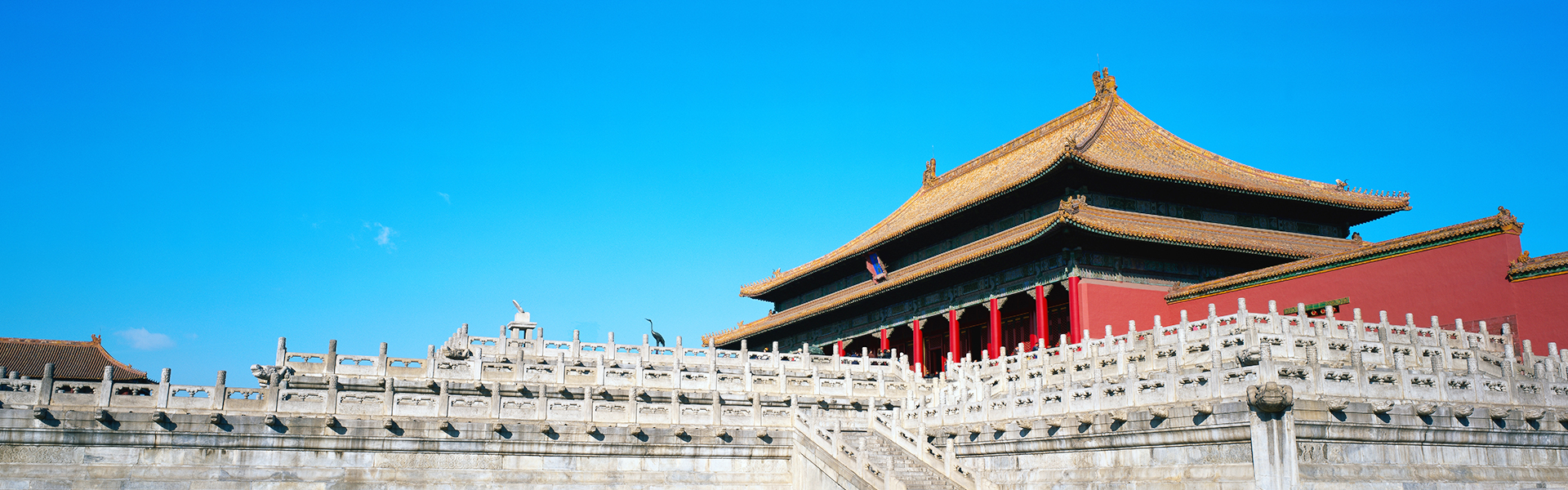
No exploration of Manchu culture is complete without visiting the Forbidden City (Palace Museum) in Beijing, the imperial residence of 24 Qing emperors and a UNESCO World Heritage Site. Built in the early 15th century and expanded under Manchu rule, this grand complex of 9999 rooms reflects the dynasty’s power and cultural fusion—blending Han Chinese architectural traditions with Manchu design elements.​ Highlights not to miss:​ Hall of Supreme Harmony: The largest wooden structure in China, where Qing emperors held grand ceremonies and coronations, adorned with Manchu dragon motifs and imperial yellow glazed tiles.​ Imperial Garden: A serene retreat with rockeries, pavilions, and lotus ponds, where Manchu royalty relaxed and practiced traditional pastimes like falconry (a beloved Manchu sport).​ Costume and Art Exhibits: Displays of imperial Manchu robes (huanggua) and the evolution of the cheongsam—from the loose, horse-riding-inspired Manchu banner gown to the sleek, figure-hugging style popularized in the 20th century.​ Nearby, the Summer Palace and Chengde Mountain Resort (Hebei Province) are also key Qing imperial sites. Chengde, in particular, served as a summer retreat for Manchu emperors, featuring palaces, temples, and grasslands that mirror the Manchu’s nomadic roots, making it a perfect spot to understand their dual identity as rulers of an agricultural empire and heirs to steppe traditions.
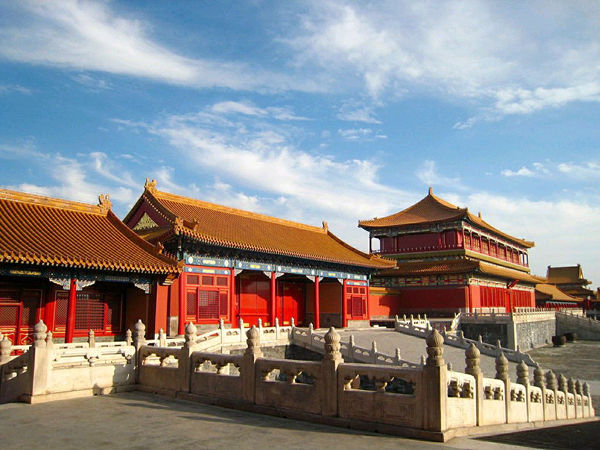
The Forbidden City (Beijing): Imperial Heart of the Qing Dynasty
Northeast China: Manchu Ancestral Homelands

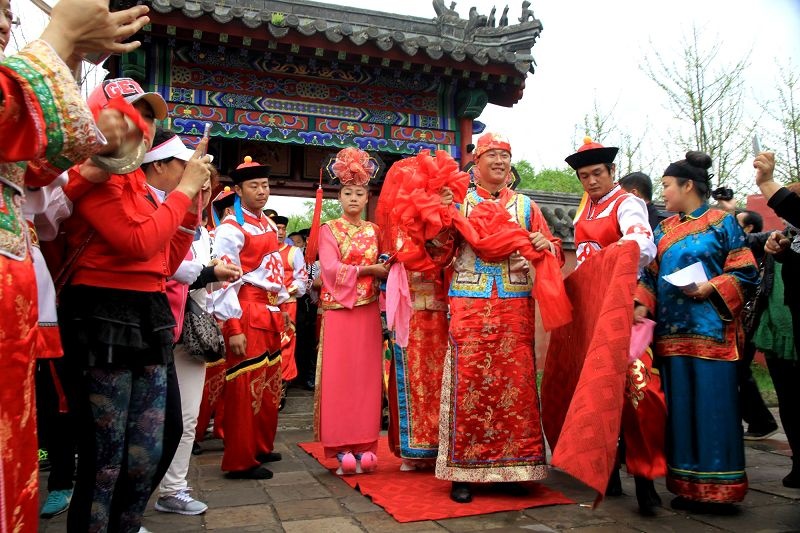
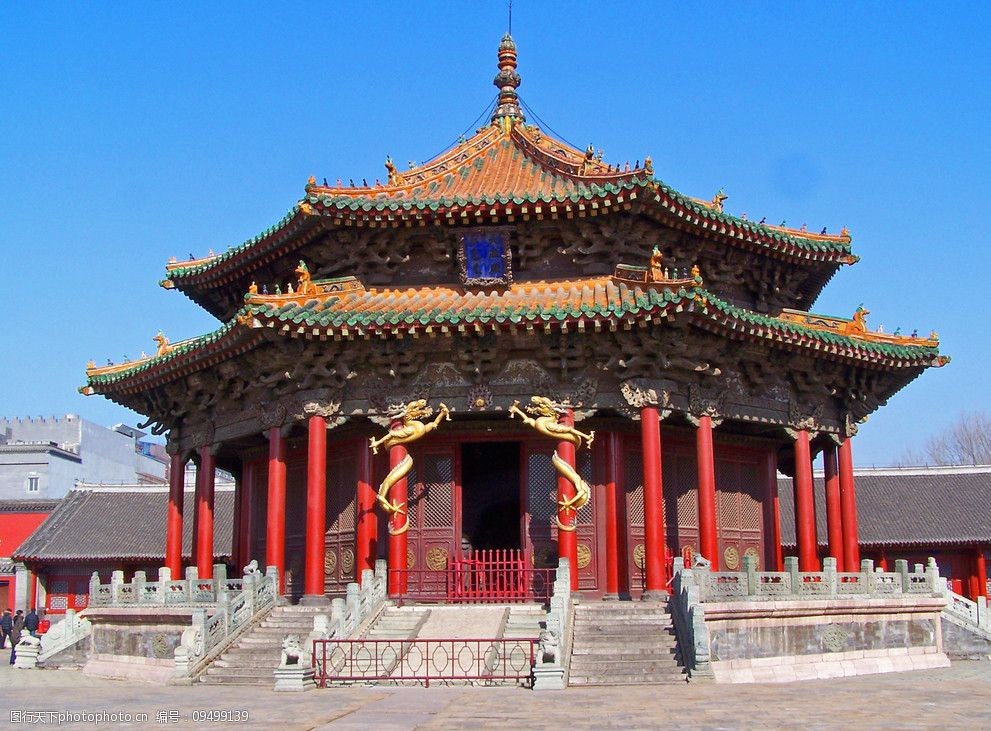
Northeast China (Liaoning, Jilin, Heilongjiang provinces)—known as “Manchuria” historically—is the birthplace of the Manchu people. Here, you can step into their pre-imperial life, explore ancient villages, and experience authentic traditions that have endured for centuries.​ Liaoning Province: Cradle of the Qing Dynasty​ Shenyang Imperial Palace: A smaller but equally magnificent counterpart to Beijing’s Forbidden City, built by Nurhaci and Huang Taiji (founders of the Qing Dynasty). Its unique “Eight-Pointed Pavilion” and “Phoenix Tower” reflect Manchu architectural ingenuity, with features adapted for cold northern climates.​ Fushun Manchu Village: Visit traditional Manchu courtyards (siheyuan) with mud-brick walls and tile roofs. Try on Manchu costumes, learn to make “sachima” (a sweet fried dough dessert), and watch folk performances like “Yimakan” (epic storytelling through song and dance).

Northeast China: Manchu Ancestral Homelands
Jilin & Heilongjiang: Shamanic Traditions and Natural Heritage​

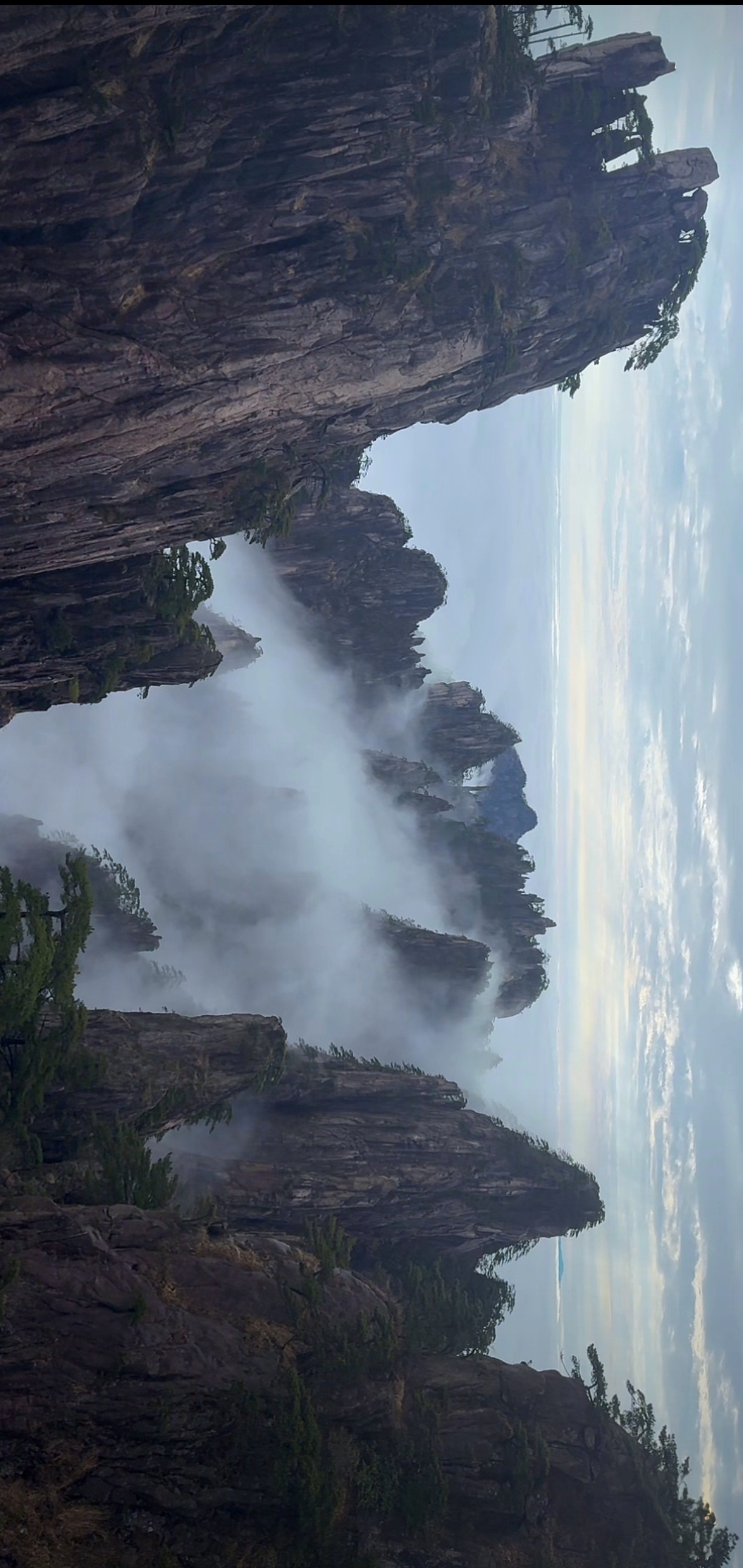
The Manchu’s shamanic beliefs—centered on worshipping heaven, earth, animals, and ancestors—are best experienced in Northeast China’s remote regions. In Jilin’s Changbai Mountain (a sacred site for the Manchu, believed to be the birthplace of their ancestors), you can join shamanic rituals led by local elders, featuring drum-beating, chanting, and offerings to nature spirits.​ In Heilongjiang’s Manchu settlements, traditional crafts thrive: watch artisans weave “Manchu brocade” (a colorful fabric used in cheongsams) and carve wooden masks for shamanic ceremonies. Don’t miss tasting Manchu delicacies like “braised pork with soy sauce” (a imperial favorite) and “millet porridge with pickles” (a humble rural staple).

Jilin & Heilongjiang: Shamanic Traditions and Natural Heritage​
Why Visit?

A journey through the Manchu legacy is a journey through China’s imperial past, sartorial elegance, and spiritual traditions. From the grandeur of Beijing’s Forbidden City to the rustic charm of Northeast China’s villages, and the cultural fusion of Inner Mongolia, every destination offers a unique glimpse into the Manchu’s enduring influence. Whether you’re a history buff, a fashion lover (eager to try on a cheongsam), or a seeker of spiritual experiences (fascinated by shamanism), this tour promises to enrich your understanding of China’s diverse cultural tapestry.​ Pack your bags, and let the Manchu’s stories of empire, art, and tradition unfold before you!​

Why Visit?
Inquire
TOP