

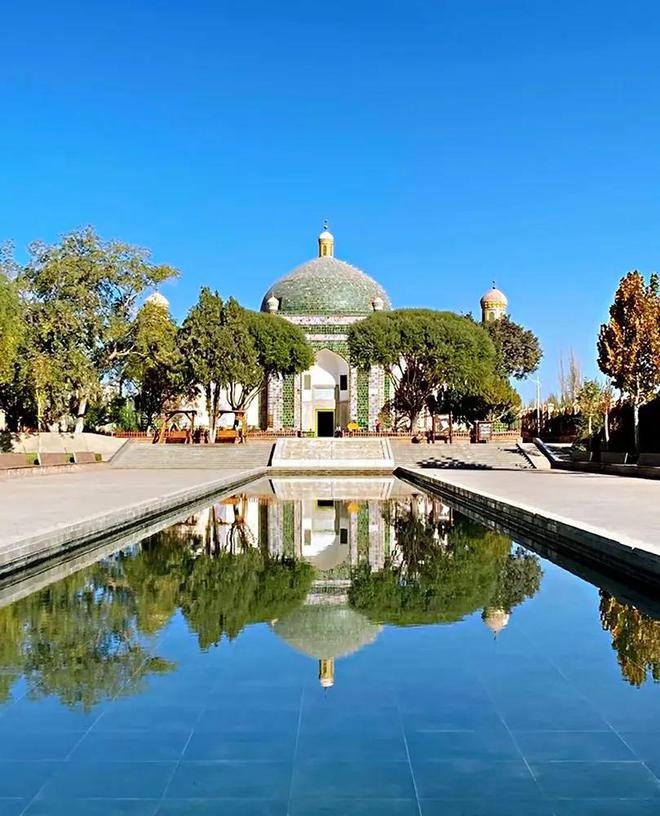
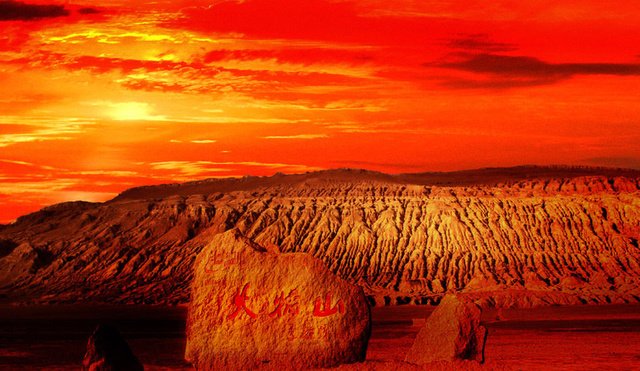
1. China Silk Road Turpan Grape Festival Time: August 25 too September 1 every year Venue: Turpan city' the Xinjiang Uygur Autonomous Region Introduction: Grape cultivation in the world-famous city of Turpan has a history of more than 2,000 years. Of the 100-odd grapes, known as "green pearls of China," are the most precious. The raisin and wine produced in Turpan are known for their lingering good tastes. Most of Turpan's grapes are grown in the renowned Grape Valley, also called “Pearl City” in the deserts. The Xinjiang Grape Festival was first launched in 1990 and has since become an annual event in Turpan. There are the Uygur wedding ceremony, mashlap (lively and humorous folk dance), Koco-style songs and dances, the Hami-melon competition, economic and trade talks, a tour of the Grape and Melon Street, camel caravans, and reappearance of the Silk Road more than 2,000 years ago, around Flaming Mountain, Grape Valley in Turpan Depression. 2. Festival of East Fast-Breaking Time: the first day of the 10th month by the Islamic Calendar. Venue: the areas inhabited by the Hui, Uygur and Kazak people. Introduction: According to the Islamic scriptures, when Islam was founded, Ramadan (the ninth month of the Muslim year, during which no food or drink may be taken between sunrise and sunset). After that he put on clean clothes and led Moslems to the outskirts to hold religious services and distribute fast-breaking donations to atone for their sins. With time going by, this practice has been handed down and become one of the three major festivals of Islam. In the early morning of the Festival of Fast-Breaking, adult Muslims would take a bath, put on their holiday best and go to the mosque. In addition, Muslims visit friends and relatives, exchange greetings and gifts, such as oil and sanzi (fried dough twists) to express congratulations with each other. The people who live a nomadic attend the horse race, sheep-grasping on horse-back and other activities, adding much joyous atmosphere to the festival. 3. Corban Festival Time: The 10 th day of the 12th month by the Islamic Calendar Venue: The areas inhabited by the Hui, Uygur and Kazak people Introduction: An ancient Arabic legend goes that Father Abraham had faith and trust in Allah. One day in his dream, Allah ordered him to kill son to offer sacrifices. When Abraham was about to execute his son, Allah dispatched an angel to the site with a sheep, ordering Abraham to slaughter the sheep instead. After that, people would slaughter sheep to pray for safety on the day. Now the Corban Festival (meaning slaughtering animals) is celebrated every year. What's On: At the festival, Muslims would go to the mosque where they attend the religious service and the ceremony for slaughtering animals. Then every family would start celebrations by slaughtering cattle, sheep and camels to entertain friends and relatives. During the feast, they taste various delicious foods and chat happily with each other. The ethnic minority people in Xinjiang sing song and perform dances to celebrate the festival, in addition to other activities, such as grasping sheep on horseback, horse races and "chasing after girls." For further details, please view the Entertainment & Nightlife guide on the following cities on the Silk Road:
Things To Do In Tibet
Tibet is a truly amazing place. It is mysterious and breathtaking, filled with history and culture. It is a trip one will never forget. There are so many things to do in Tibet that cannot be experienced anywhere else in the world.