Huangshan & Huizhou: Where Natural Wonders Meet Chinese Cultural Romance

Huangshan & Huizhou: Where Natural Wonders Meet Chinese Cultural Romance

Huangshan (the Yellow Mountains) is never a stranger to travelers: its iconic “Four Wonders” — oddly-shaped pines, grotesque rocks, seas of clouds and hot springs — are known across China. Yet for many, it also carries the stereotype of crowded holiday trails and exhausting climbs. But beyond the crowds lies a destination that blends breathtaking geology, thousand-year-old legends, and the soul of Chinese scholarly tradition.


view more:

16-day Emeishan & Huangshan Hiking Tour

10-day China Culture Tour

5-day Huangshan Huizhou Yixian & Shexian Tour


Contact Us>>
Huangshan & Huizhou: Where Natural Wonders Meet Chinese Cultural Romance

Huangshan (the Yellow Mountains) is never a stranger to travelers: its iconic “Four Wonders” — oddly-shaped pines, grotesque rocks, seas of clouds and hot springs — are known across China. Yet for many, it also carries the stereotype of crowded holiday trails and exhausting climbs. But beyond the crowds lies a destination that blends breathtaking geology, thousand-year-old legends, and the soul of Chinese scholarly tradition.

Huangshan & Huizhou: Where Natural Wonders Meet Chinese Cultural Romance
The Story Behind the Peaks

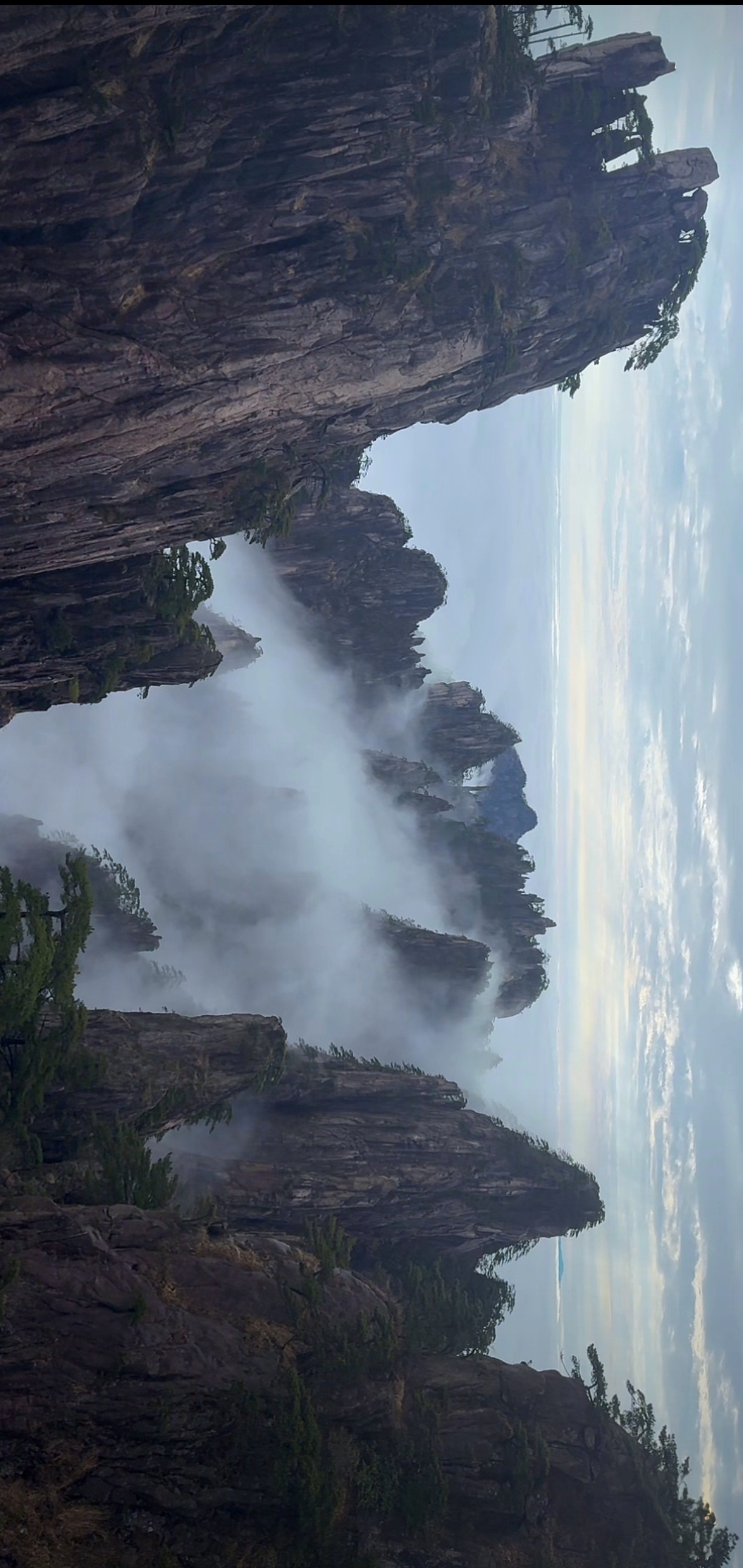
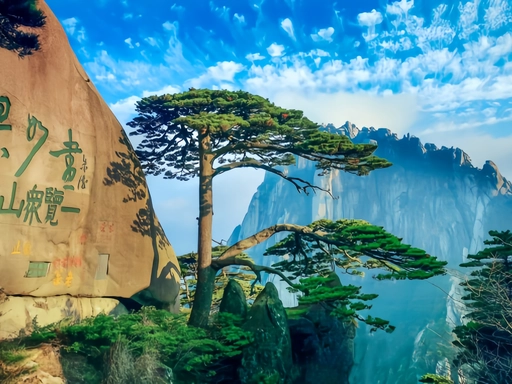
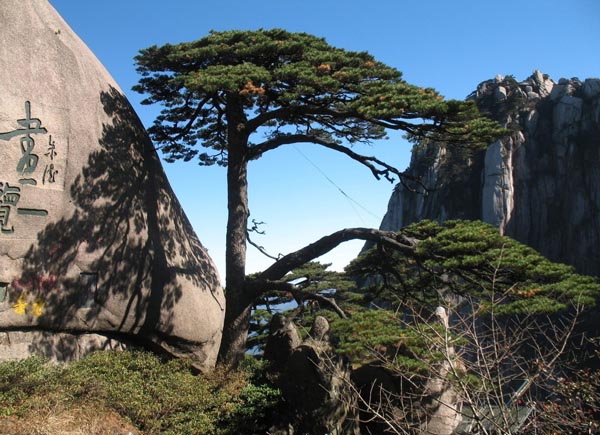
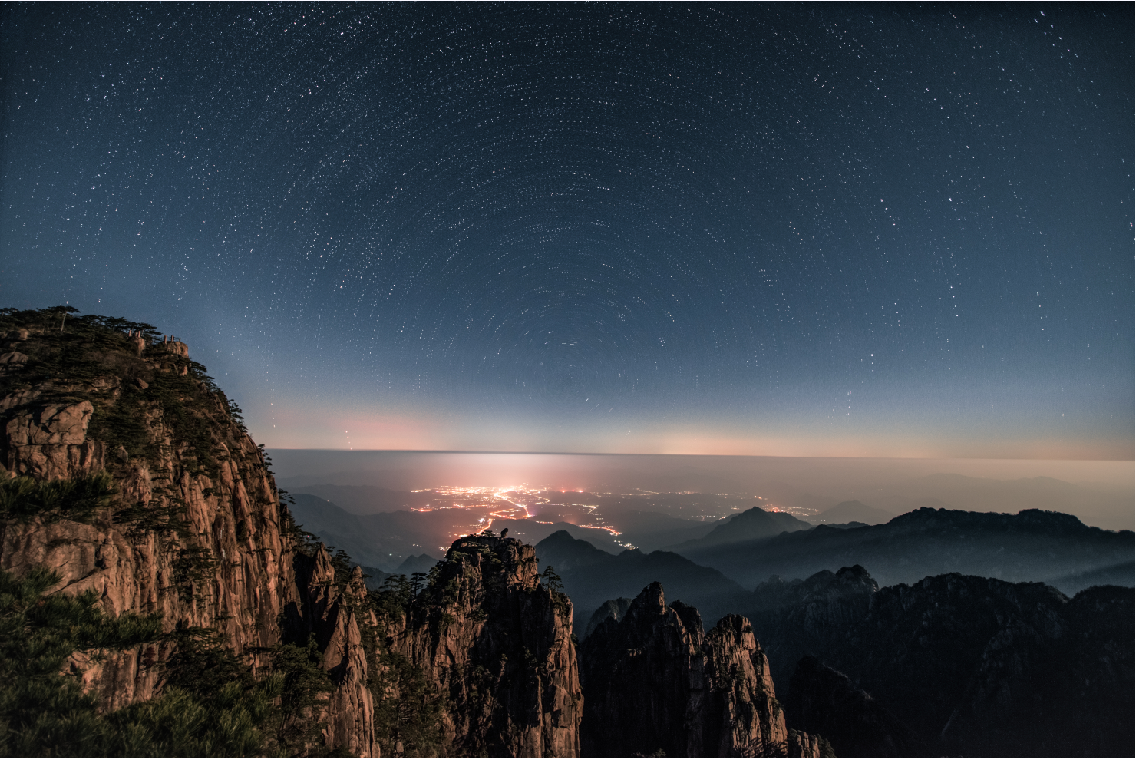
Huangshan was not always called by its current name. In ancient times, it was known as Yishan (“Black Mountain”), for its dark-hued ridges. According to Taoist legend, after unifying central China, the Yellow Emperor retreated to these mountains with his teachers to seek immortality, later ascending to heaven here on a dragon’s back. It was not until the Tang Dynasty, when Emperor Xuanzong, a devout Taoist, renamed the range Huangshanin the emperor’s honor. The landscape itself is a masterpiece of earth’s power: around 200 million years ago, magma intruded into the crust during tectonic shifts, and millions of years of wind, rain and glacial erosion carved out the steep peaks and strange rock formations we see today. The most famous of these, the Flying Stone, is said to be one of two rocks Nuwa dropped while mending the sky — the other, legend jokes, ended up in Dream of the Red Chamberas the stone in Jia Baoyu’s mouth. Even the pines that cling to the cliffs have their own secrets. Growing above 800 meters with little soil, species like the Guest-Greeting Pine— a national icon so precious it has been guarded by 19 generations of dedicated keepers since the 1950s — have adapted with wide leaves for maximum sunlight and deep roots to draw nutrients from solid rock. Together with the mist that rolls in from the valleys to form endless cloud seas, and the geothermal hot springs that bubble up along fissures, these elements make up the “Four Wonders of Huangshan” — no mere tourist labels, but products of real geological history.

The Story Behind the Peaks
More Than Mountains: The Crafts of Huizhou

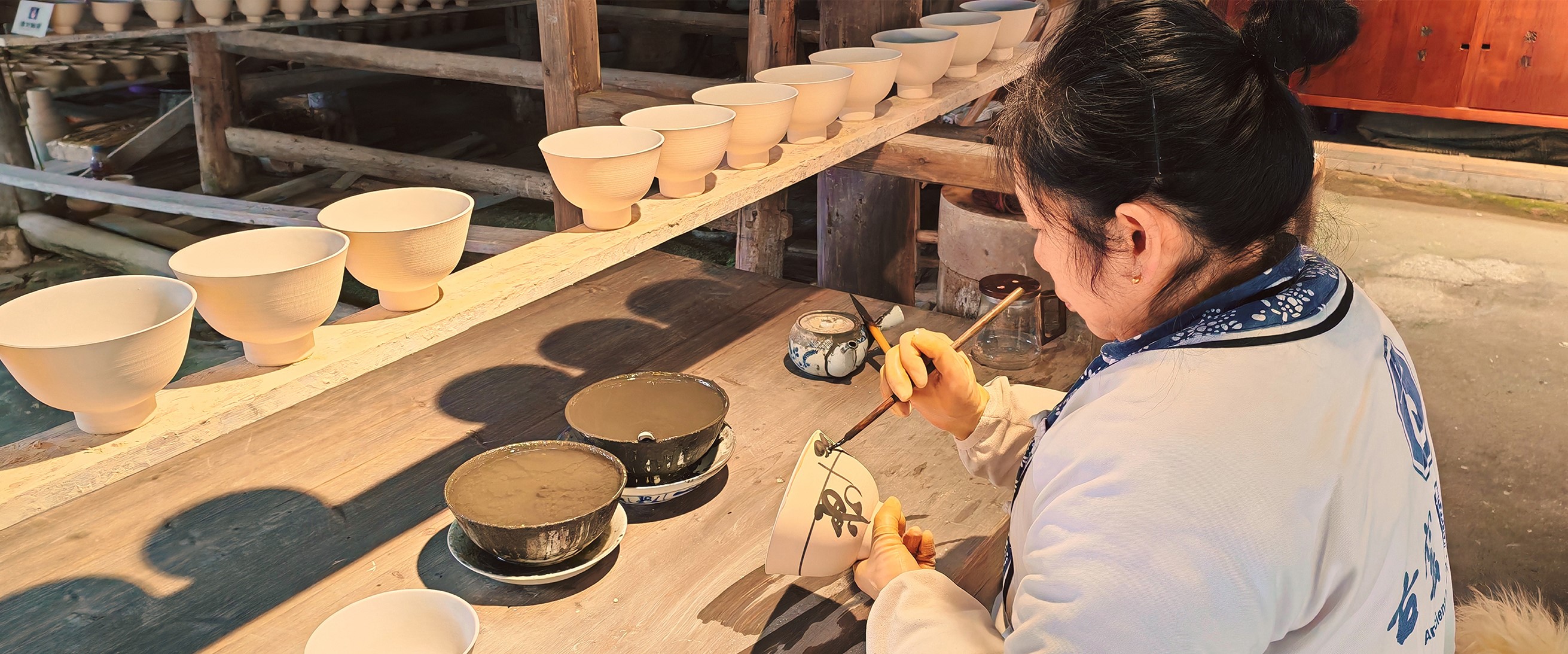
What makes this region even more unique is not just its scenery, but the way local artisans turned nature’s gifts into the heart of Chinese literati culture: the Four Treasures of the Study. Huizhou Brush: Crafted from the stiff, elastic hair of mountain hares and weasels native to the area. Huizhou Ink: First developed by refugee artisans in the late Tang Dynasty using pine soot, it became so prized that Southern Tang Emperor Li Yu kept it as a royal treasure. Visitors can watch the year-long process of ink making — from charcoal refining to hammering and sun-drying — and try their hand at the final step of gilding patterns onto finished ink sticks. Xuan Paper: Made from the bark of the local wingceltis tree, this paper is tough, ink-absorbent, and can last for over a thousand years without decay. Guests can enter normally closed national-level intangible heritage workshops to experience the traditional paper-making process. She Inkstone: Carved from the region’s fine stone, it is smooth enough to glide a brush across, yet textured enough to grind ink perfectly. Each young visitor takes home a custom inkstone as a souvenir.

More Than Mountains: The Crafts of Huizhou
A Thoughtful Way to Explore

For those who want to skip the holiday crowds and exhaustion, curated itineraries now offer a more relaxed, in-depth experience: A low-effort hiking route with cable cars both up and down, covering only 3km of the most scenic front-mountain trails, plus hidden paths away from peak-season crowds. A private talk with the 19th generation Guest-Greeting Pine keeper, sharing stories of guarding this living cultural relic. Afternoon tea on a cliffside terrace overlooking the peaks, far from the busiest spots. Guided tours of Hongcun Ancient Village led by local folk experts, whose storytelling connects traditional wisdom to lessons kids can relate to. A slow bamboo raft ride along the Qingyi River, where Li Bai once wrote his famous farewell poem To Wang Lun. Evening activities in the lesser-known Xiuli Village, including fish lantern parades and starlit barbecues. Accommodations balance comfort and local character: two nights in 5-star hotels, and two nights in award-winning boutique heritage guesthouses. From the peaks that inspired ancient legends to the crafts that carried Chinese art and writing for centuries, Huangshan and Huizhou offer more than a holiday photo op — they are a living lesson in how nature and human creativity shape each other.

A Thoughtful Way to Explore
Inquire
TOP